Community Projects: a Sourced Shelf for Massachusetts Readers
Only what a public source can back
This shelf is short on purpose. Each item is a named public programme, a published rule, or one of our own pages that answers the question an item raises. Private office prices, local events, volunteer counts and partnerships are absent for one reason: no source we could name gave us any of them. Coverage decides a good deal of a treatment plan. A benefit that caps the yearly total, or limits how often a repair is paid, can change a plan that looks sensible on paper. For that reason the first items here concern what gets paid rather than any office.
We would rather show you three sources you can check than a long list we cannot stand behind.
Root canals, retreatment and what public coverage pays
MassHealth members over 21 can use adult dental coverage for root canals and crowns. That benefit was restored on January 1, 2021. The retreatment rule matters most for a tooth that already has a root canal. Under the endodontic rule, payment for an original root canal includes any retreatment within 24 months. An apicoectomy is covered only when the canal cannot be retreated. A reader weighing a repair to an old root canal should ask which of those two paths the plan takes. The endodontic services rule, 130 CMR 420.426, sets out both points.
Why these sources made the cut
Coverage a reader can look up
MassHealth's adult dental benefit carries a $1,750 annual cap from August 1, 2026. The cap matters when a plan involves several crowns, root canals or dentures. The Massachusetts Dental Society's MassHealth overview lists no exemptions to it. We have not yet checked the MassHealth FAQ that the overview links to. A reader should therefore confirm the cap there before relying on it. Every date on this page is the date the source gives.
A spending floor for private plans
Massachusetts voters set a floor for dental insurers. A fully insured plan must spend at least 83% of premiums on patient care. If it does not, the difference is refunded. Because the rule covers fully insured plans, the type of plan a reader has decides whether it applies. Self-insured employer plans fall outside it, so that question comes first. The California Dental Association's report on the ballot measure gives the figure.
Water, which many households never check
The CDC says drinking fluoridated water reduces cavities by about 25% in children and adults. In Massachusetts, 58.2% of people on community water systems got fluoridated water in 2022 data. A household therefore cannot assume its tap supplies fluoride. The answer varies from town to town, so the town's water report is the check. The CDC's fluoridation page gives the first figure, and America's Health Rankings gives the second.
How each piece was chosen
A named source first
A piece goes on the shelf only when a named public body, a published rule or a published data page backs it. Each source is cited where it is used, with the organisation named beside the link. A 2013 press release from a training organisation, on dentists and injectables, was left out. The state board's own advisory on that subject could not be opened from our side. The shelf has no sponsored entries of any kind.
Figures with their limits
Each figure carries its year and its scope. A state average says nothing certain about one household's water supply. A cap stated for adult benefits does not describe a child's plan. Percentages are given as the source states them, without rounding. Where a source leaves a question open, this page says so.
Our own pages only where they answer
A page of ours appears here only when its question is one that an item raises. The treatment-plan helper works through a plan one question at a time. The newsletter weighs retreatment against apicoectomy in a dated note. The FAQ asks whether a problem can wait for a routine visit. Each of these pages answers its own question without naming any practice.
Dated, so it can be checked
The sources on this page were read on November 10, 2026. Caps, rules and coverage change, and a rule in force on that date may not be in force later. A reader should confirm the programme itself before acting on any figure here. The page carries no figure that its source did not state. The date is printed so that this check is possible.
Working through a crown or bridge question
The helper on the resources page is the one piece here that asks questions rather than quoting rules. It starts from the tooth in front of the reader. It asks whether the tooth is one or several, and whether it is missing or damaged. It covers crowns, bridges, partial dentures and retreatment. It prints no prices and makes no diagnosis. It ends by saying plainly what it cannot know.
A clip of dental work, shown for its setting
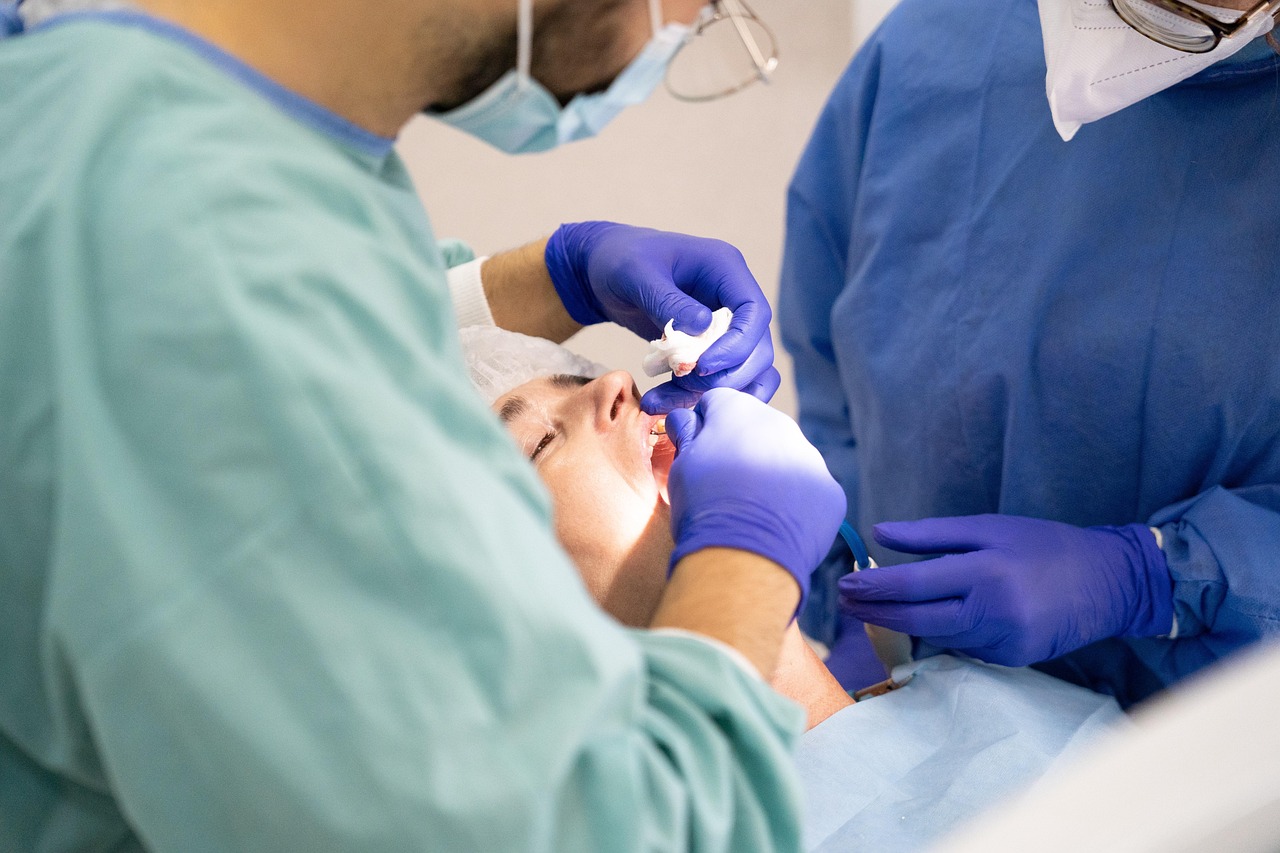
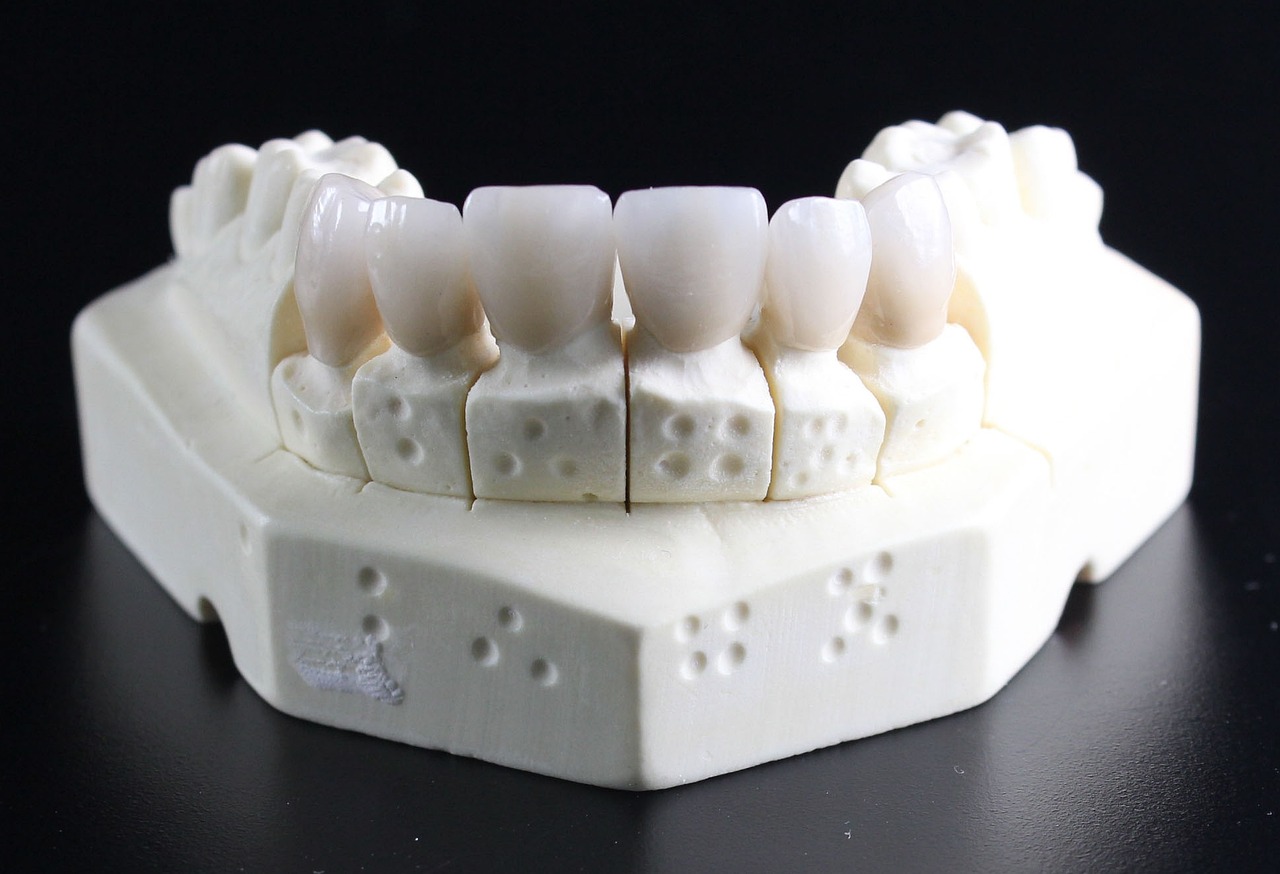
The clip shows dentists working on a patient in a dental office. It is stock footage from Pexels, by cottonbro studio. It makes no claim about any procedure, programme or clinic. Its subject was not checked frame by frame, so it is here for the setting alone. A reader should not take it as a source for any figure on this page.